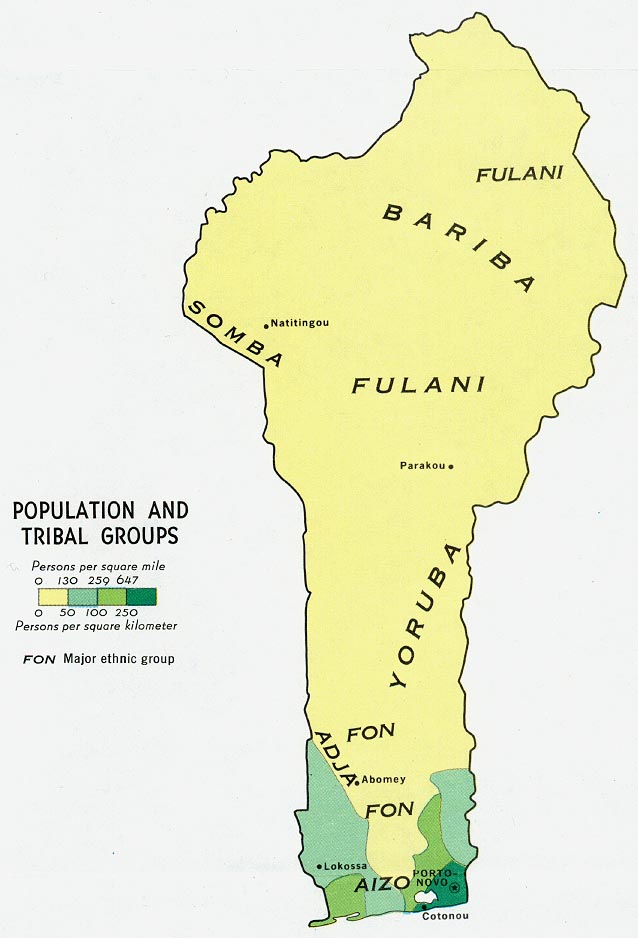
Pila, Kpila in Benin

The Pila, Kpila have only been reported in Benin
Population
Main Language
Yom
Largest Religion
Christian
Evangelical
Progress
Progress Gauge

Introduction / History

The Pila, Kpila are an ethnic group living primarily in central and northern Benin. Their language belongs to the Gur language family, which is spoken by several peoples across West Africa. The Pila have a long history tied to the land they inhabit, shaped by farming communities, kinship networks, and interaction with neighboring ethnic groups. Their identity has been preserved through oral tradition, customary law, and shared cultural practices passed down through generations. Like many peoples of the region, their history includes periods of migration, local conflict, and adaptation to changing political structures, including colonial and post-colonial governance.


What Are Their Lives Like?

Most Pila communities live in rural settings where daily life is centered on agriculture and family responsibilities. Farming provides food and limited income, with households often working small plots of land using traditional methods. Extended families play a strong role in social life, and elders are respected as keepers of wisdom and tradition. Access to education, healthcare, and infrastructure is limited, especially in remote villages. Life is shaped by the rhythms of the seasons, community events, and ceremonies that reinforce cultural identity.


What Are Their Beliefs?

The Pila people predominantly follow traditional African religions. Their spiritual worldview is shaped by animism, ancestor veneration, and the belief in various spirits that influence daily life. Rituals, sacrifices, and festivals are integral to their religious practice, seeking favor and protection from spiritual forces. There is little evidence of Christian or Islamic influence among the Pila, Kpila, and the gospel has not yet taken root in their communities


What Are Their Needs?

There is a need for culturally relevant evangelism and discipleship efforts. Improved access to clean water, healthcare, and education is critical. Economic development initiatives could help alleviate poverty and provide hope for the future.Training in sustainable agriculture, literacy, and health education would empower the Pila people to improve their quality of life.


Prayer Items

Pray for open hearts among the Pila, Kpila to hear and receive the message of Jesus Christ.
Ask God to send workers who are equipped to share the gospel in culturally sensitive ways.
Intercede for breakthroughs in education, healthcare, and economic development in their communities.


Scripture Prayers for the Pila, Kpila in Benin.


References

International Mission Board. (n.d.). Pila of Benin. IMB 55-in-5 Resources. https://www.imb.org/55-in-5-resource/pila-of-benin/
SIM USA. (n.d.). Benin. https://www.simusa.org/west-africa/benin/
Ethnologue. (n.d.). Benin: Languages. SIL Internatio


Profile Source:   Joshua Project  

People Name General Pila
People Name in Country Pila, Kpila
Alternate Names Kpila; Miani; Suaru; Temba; Yoba; Yom
Population this Country 384,000
Population all Countries 384,000
Total Countries 1
Indigenous Yes
Progress Scale Progress Gauge
Unreached No
Frontier No
GSEC 1  (per PeopleGroups.org)
Pioneer Workers Needed
PeopleID3 14390
ROP3 Code 108029
Country Benin
Region Africa, West and Central
Continent Africa
10/40 Window Yes
National Bible Society Website
Persecution Rank Not ranked
Location in Country Donga department: Djougou, Copargo communes, south into Bassila commune; north into Atakora department: Kouande, Natingou, and Pehonko communes; Borgou department: N’Dali commune.   Source:  Ethnologue 2016
Country Benin
Region Africa, West and Central
Continent Africa
10/40 Window Yes
National Bible Society Website
Persecution Rank Not ranked
Location in Country Donga department: Djougou, Copargo communes, south into Bassila commune; north into Atakora department: Kouande, Natingou, and Pehonko communes; Borgou department: N’Dali commune..   Source:  Ethnologue 2016

No people group static map currently available. Use the above button to submit a map.


Ethnolinguistic map or other map

Primary Religion: Ethnic Religions
Major Religion Estimated Percent
Buddhism
0.00 %
Christianity
15.00 %
Ethnic Religions
51.00 %
Hinduism
0.00 %
Islam
34.00 %
Non-Religious
0.00 %
Other / Small
0.00 %
Unknown
0.00 %
Primary Language Yom (384,000 speakers)
Language Code pil   Ethnologue Listing
Written / Published Yes   ScriptSource Listing
Total Languages 1
Primary Language Yom (384,000 speakers)
Language Code pil   Ethnologue Listing
Total Languages 1
People Groups Speaking Yom

Primary Language:  Yom

Bible Translation Status  (Years)
Bible-Portions Yes  (1954-2007)
Bible-New Testament Yes  (1985)
Bible-Complete Yes  (2017-2020)
FCBH NT (www.bible.is) Online
Possible Print Bibles
Amazon
World Bibles
Forum Bible Agencies
National Bible Societies
World Bible Finder
Virtual Storehouse
Resource Type Resource Name Source
Audio Recordings Audio Bible teaching Global Recordings Network
Audio Recordings Oral Bible stories Story Runners
Film / Video Jesus Film: view in Yom Jesus Film Project
Film / Video LUMO film of Gospels Bible Media Group/LUMO
General Faith Comes By Hearing - Bible in text or audio or video Faith Comes by Hearing
General Scripture Earth Gospel resources links Scripture Earth
Text / Printed Matter Jesus Messiah comic book General / Other
Text / Printed Matter Literacy primer for Yom Literacy & Evangelism International
Profile Source Joshua Project 
Data Sources Data is compiled from various sources. Learn more.